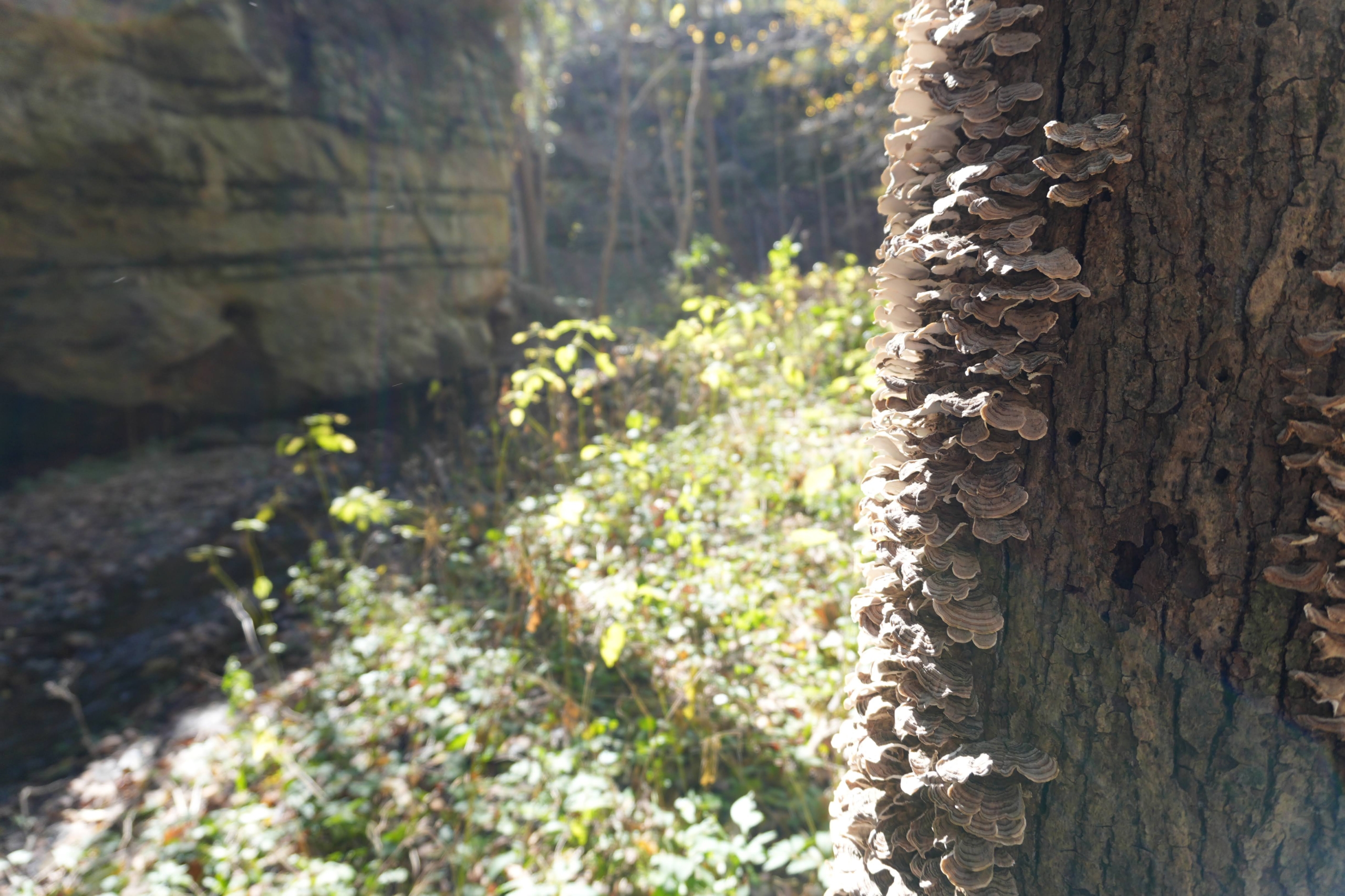
The Midwest Has Secrets: Exploring Boneyard Hollow
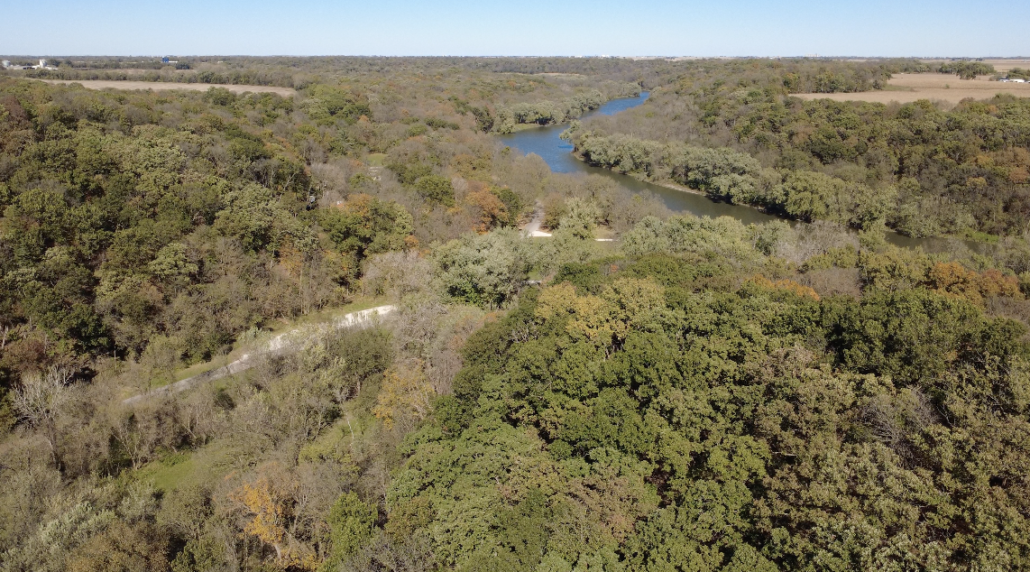
Hidden deep in the rolling landscape of Central Iowa, just far enough away from the buzzing cities to get overly crowded, lies a place that has been visited by humans since 1000 BCE. Long before the first hardened settlers and Fort Dodge was emplaced in the early 1850’s, earthen burial mounds were built by the Woodland culture in the unique but familiar box canyons that seem to periodically sink away from the prairie near the banks of the Des Moines River.
Early settlers coined the location Boneyard Hollow because of the piles of elk, buffalo, and deer bones found in piles along both sides of this unique box canyon that cuts a tight and unique path away from the Des Moines River and includes several waterfalls, along with a beautiful stream that cut through the sandstone to create this hallowed ground on which feet have been trodding for thousands of years. Later, in the early 1900s, it was turned into Dolliver Memorial State Park to protect its beauty for future generations, yet it still seems to be stuck in time and less known than many other State Parks, some even nearby, like Ledges.
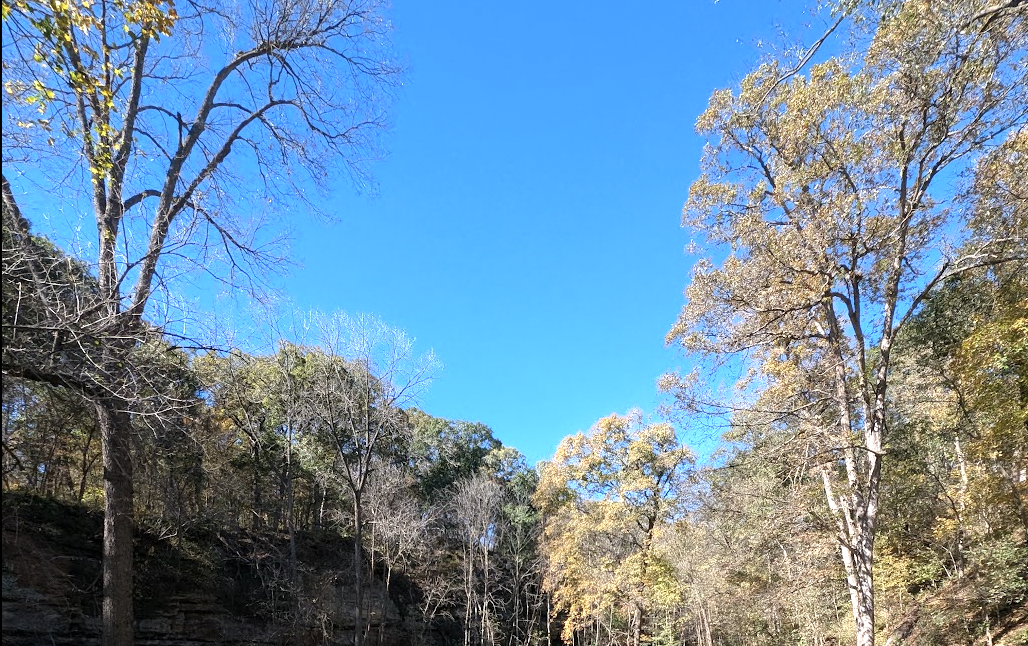
Bonyard Hollow starts wide and unassuming, only a few short steps from a small pullout on the side of the Des Moines River, covered by trees that seem to hide its internal beauty, and have probably done a good job of keeping the half-curious and digitally addicted crowds from giving it much more than a passing glance. Little do they know that only a short 50-yard walk would take you to the tightening throat of this special hollow that fed the bellies of hungry peoples more than a thousand years ago. Strange, to think of the skill and communication it would have taken those people to herd the buffalo and elk along the rolling prairie into this very spot, to fall to their untimely death to sustain life.
Quickly, the box canyon walls close in; you enter a different world that feels full of chaos and beauty at the same time. The unique sandstone walls, small waterfalls becon you to come explore and imagine what was happening here all those years ago.
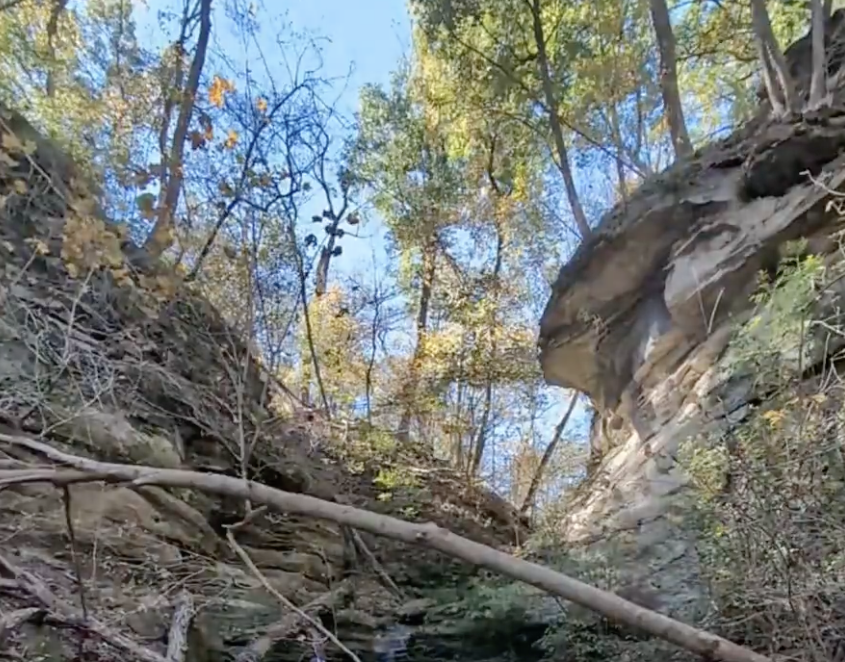
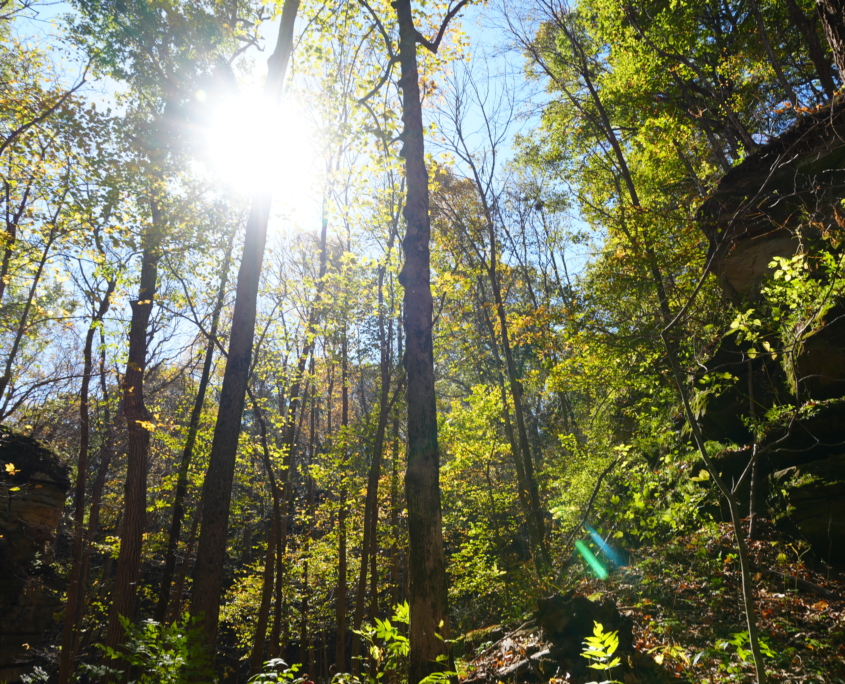
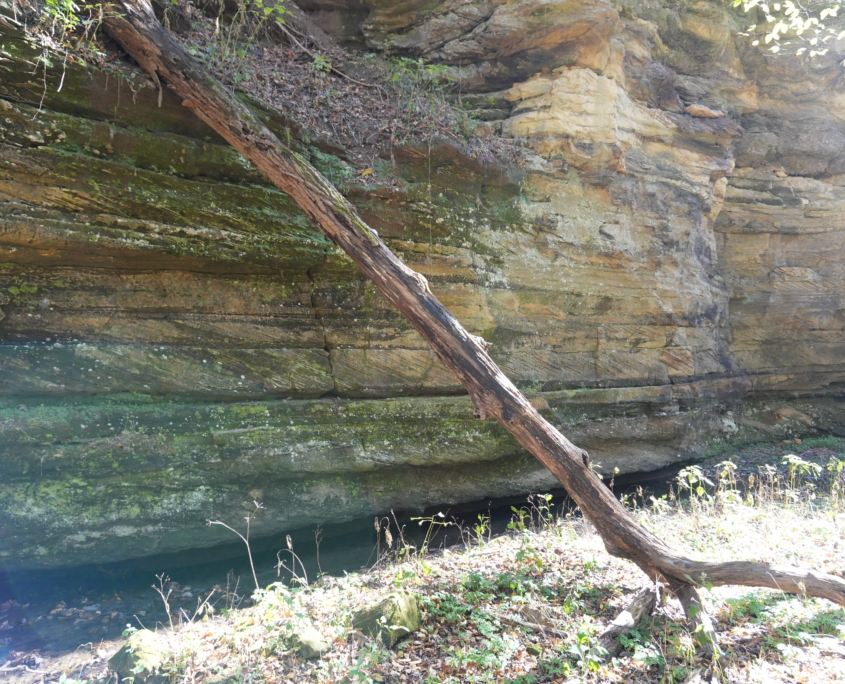
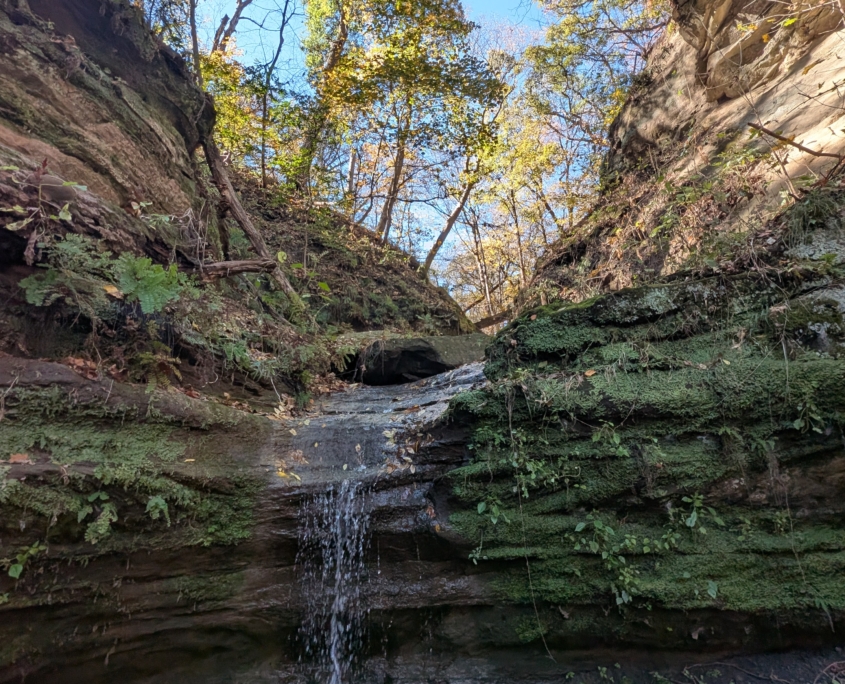
It’s hard to forget where you are; apparently, somewhere in the Midwest, you arrived by driving through endless cornfields, yet you seem to have been transported somewhere West. If you take the time to slow down and look around, you will quickly realize this very spot has been gazed at by many over the decades. It seems that beautiful places, hidden places like this hollow, carry something in themselves that speaks to people regardless of the century in which we find ourselves walking.
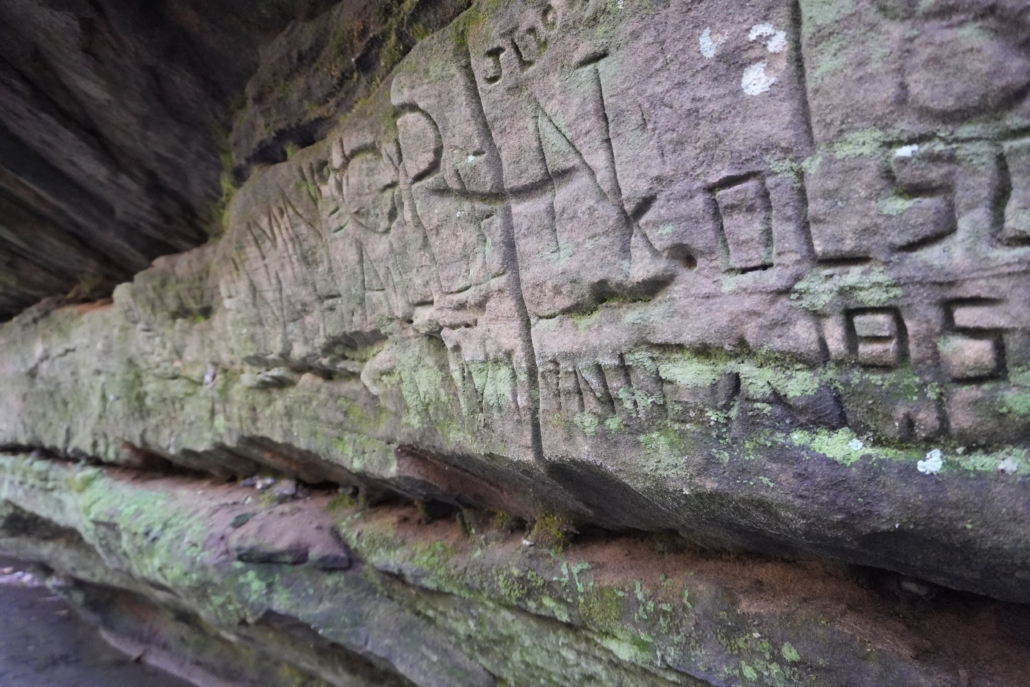
This is exactly why we need public places protected and taken care of for future generations. To think of someone in the early 1900s recognizing that uniqueness of a place, imagining what it would take to have someone else, 100 years later, walk down that same canyon and enjoy its beauty and solitude; well, that takes a driven person with a care for the greater good. Even today, when we face the fact that any corporation might show up and decide 600 acres of woodland in the Midwest is a great place for a data center … it takes people who have stepped into places like Boneyard Hollow to realize how precious 600 acres is in this place we call Iowa.
We live in a time when it’s easier to watch the next Netflix series and doomscroll through an endless stream of Instagram alternate reality than to drive the hour it takes to see a place like Doliver State Park and Boneyard Hollow.
We live in a time like no other. People of all walks of life are realizing that the generational, willful ignorance of letting “Big Ag” do as it pleases means the chickens will eventually come home to roost. We collectively took for granted that clean water would just always exist in some form, and that the fence rows of our childhood wanderings would always be the home of the errant pheasant, rabbit, or grouse. Now they are either gone, in the case of the fence rows, or too troubled to fix, like the water.
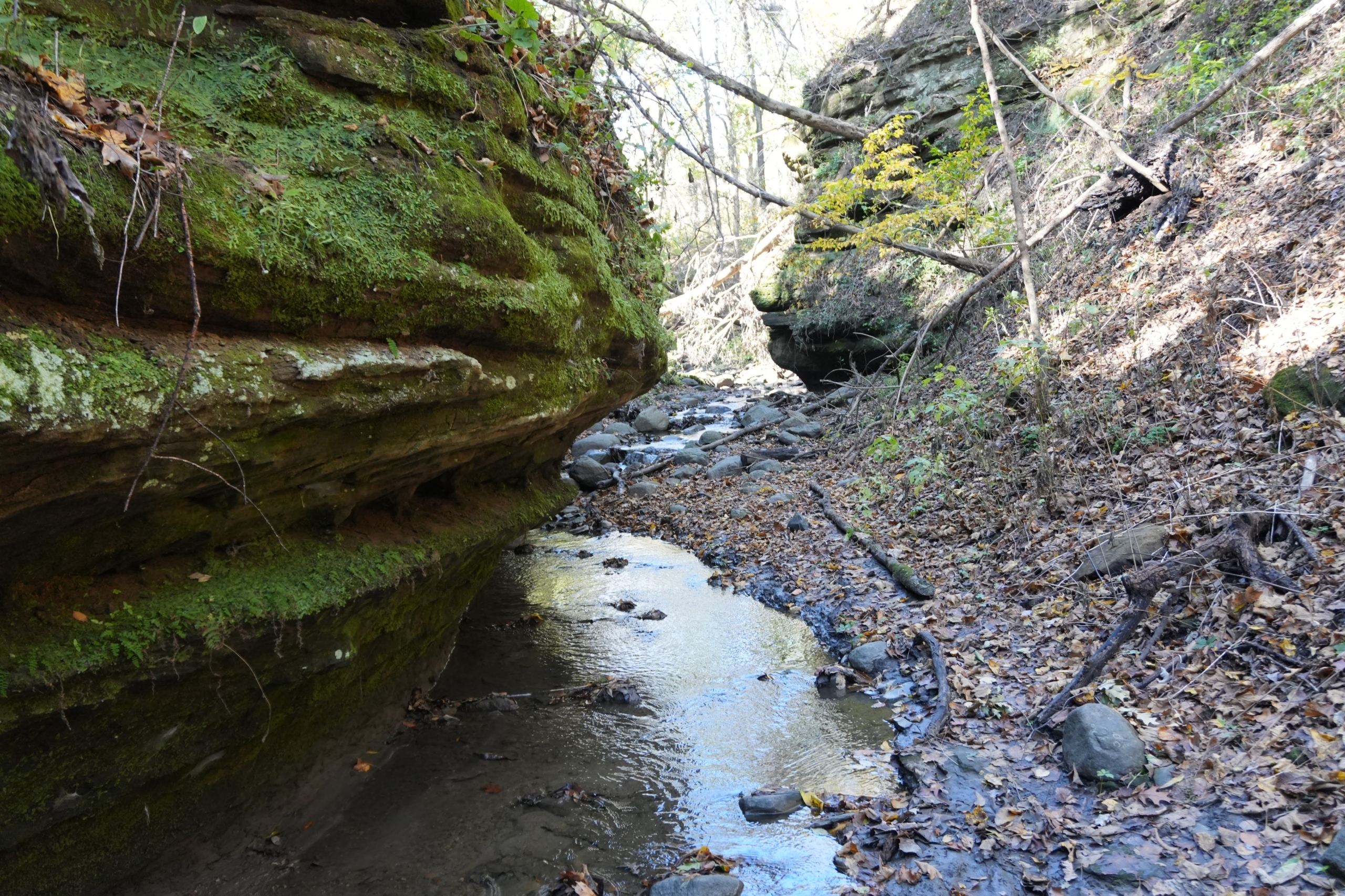
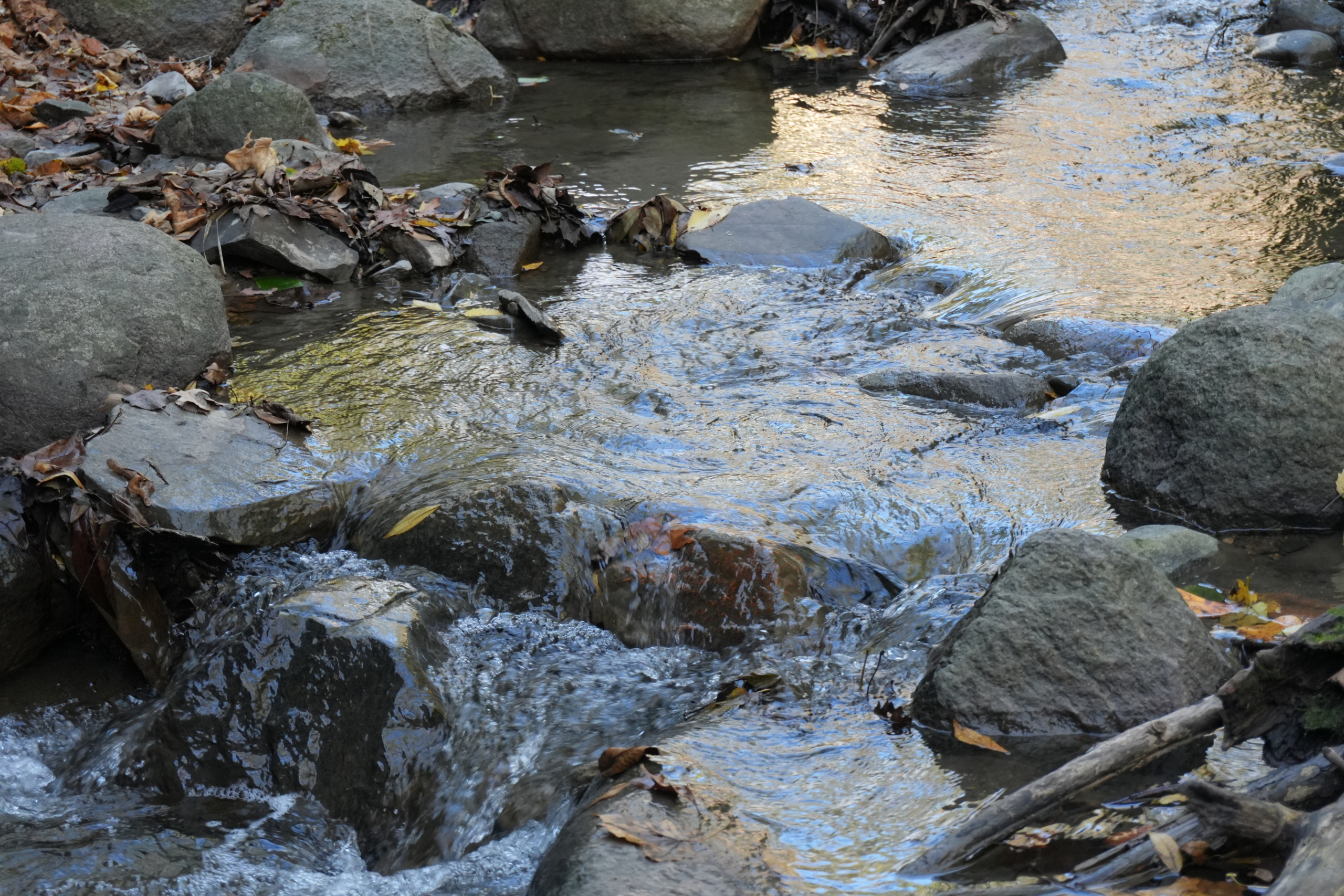
It takes generational change. Just like those Woodland Native Americans who built mounds here on the banks of the river and as their family units pushed and cajolled those bison over the edge of the cliff, teaching their children and passing on the uniqueness of Boneyard Hollow as a place to be appreciated. So too, can we take our children in hand, walk them up this path, let them revel in the nature around them, explore the deeply pitted walls, and simply be lost in the stream of time and water. They will learn to appreciate this public place if we teach them.
If you haven’t taken the time to explore Iowa’s public lands, I encourage you to do so.
No better time than to pack that picnic you’ve seen others plan and execute on Facebook, much to your jealous chagrin. Even now, a whole world of new things you have yet to see and explore awaits. New trails to walk, streams to jump across, memories to make. It’s these sorts of connections to the land that change people, make them care. Care in a way that allows new places and dreams to be born into someone’s mind, an idea, a thought… and then who knows, the next Boneyard Hollow is born.