
America’s Biggest Steel Mill Is Coming to Iowa. Is That a Good Thing?
This is probably one of the strangest things I’ve seen in Iowa in …. well … my lifetime? Some things are hard to swallow, but no surprise, like our sordid tale of water quality; but this? Didn’t see it coming. When you think of the rolling flatlands of this upper Midwest, what comes to mind is corn, beans, farms, hay fields, a land dotted with small towns that is quiet and out of the way. When someone says “steel mill” what do you think of? Probably something like the Rust Belt; maybe you think Ohio, Pennsylvania, West Virginia… those ghosts of a bygone era that make for good movies and TV shows. One does not initially connect Iowa with steel.
To be fair, if you pay attention or care about these sorts of things, Iowa has long had a bustling manufacturing core. According to this report, Iowa’s GDP is at least partly made up of one large chunk… manufacturing.
“Iowa’s manufacturing industry generated nearly $35 billion in real GDP in 2025, beating finance and insurance (~$31 billion in real GDP) as the top GDP contributor in the state.” – report
Who would have thought? But consider long-standing manufacturers like John Deere; I guess it isn’t that far-fetched. But, back to the steel.
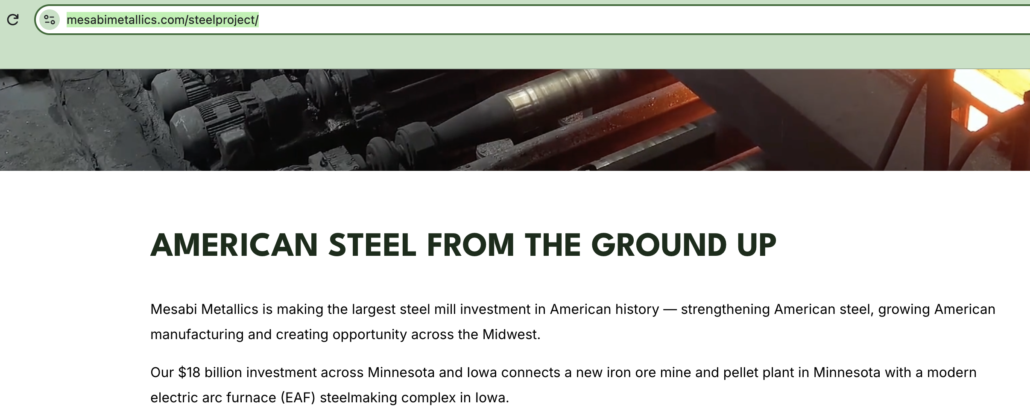
What does this all mean for Iowa? The largest steel plant in history set up right in the heart of the … Heartland? Like all issues, this will be complex, with supporters and haters alike. Let’s start with the facts, at least as far as we can suss them out. The company, Mesabi Metallics, has put forth a few pointers that are obviously meant to wow everyone and emphasize the economic impact of this investment in Iowa.
- 15 billion dollar investment in Iowa
- 6000 construction jobs
- 1750 permenant jobs
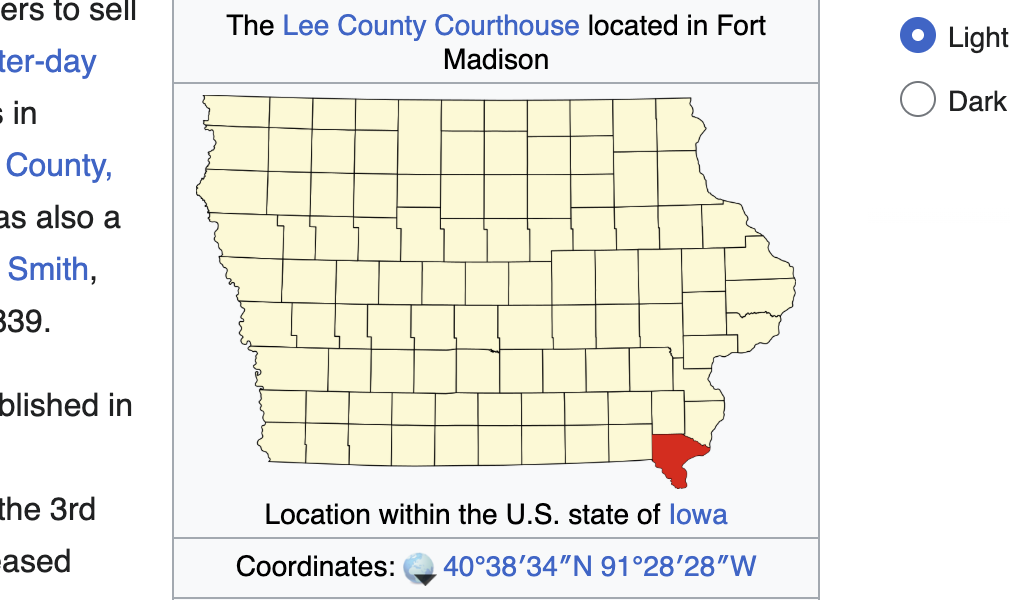
I mean, the info that the company puts out is pretty minimal at this point. It is in Iowa, but just barely; Lee County has been announced as the site of this new steel plant. It’s been reported that production will start in 2030, which gives us some time to mull things over.
According to multiple sources, it will produce steel to support the defense industry, processing ore from our neighbors to the north, Minnesota. I guess we have them to thank for this one. Supposedly, the ore from the Iron Range up in that beautiful but at-risk northern country will come down by rail.
The economic story.
Of course, like any other large industrial project, the arguments will rise, fall, and revolve around the economics; like it or not, money talks; it always has. For better or worse, regardless of the consequences, the economics of such a project will always take center stage in any debate or discussion. Wewill get to the environment and true costs later. To be fair, we must talk about the economics on the surface, because we can’t get around the talking points that will take center stage.
1750 prement jobs, without even counting the constuction, is a serious influx of cash and industry from any point of view.
It seems like one of those star-struck arguments about rebuilding the middle class of America, which we all know is complete baloney. Those days probably aren’t going to return… the small towns scattered around, with folk happily driving to work and waving at their neighbors like it’s 1950. It isn’t that, and it never will be. But that isn’t the only story. A number of businesses will boom around this steel plant; that’s stuff we learned in Econ 101 at Iowa State or Iowa. All sorts of ancillary businesses will pop up in support, from restaurants to rental units and everything in between.
- Is it better to have employment options or no options?
Let me ask you a question. Do you think that the devastation of the Rust Belt will never happen here? Well, at least not in our lifetimes, most likely, so I guess that is another generation’s problem? When is the last time you’ve driven through a manufacturing town(s)? Don’t close your eyes; look hard. Cycles matter, my friend.
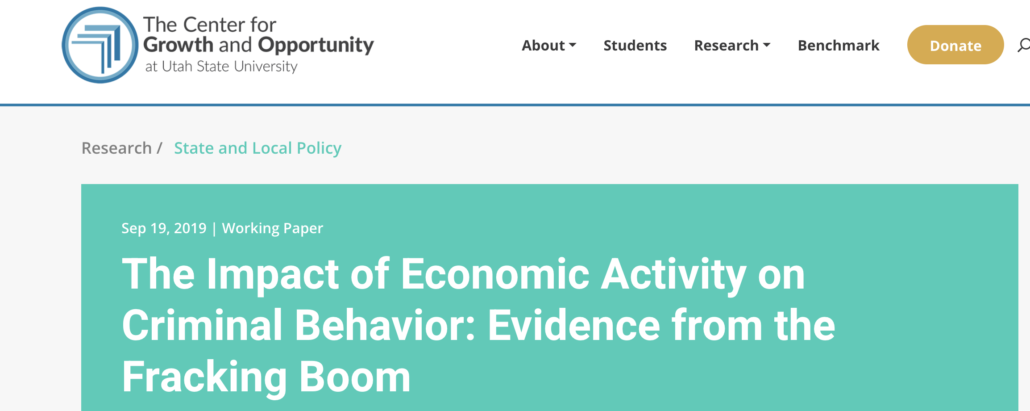
This is so obvious it barely needs to be mentioned; such industry that can go through boom-and-bust cycles can have serious social impacts over long periods of time. Look at the Rust Belt and the absolute devastation that those cycles have had on generations of people due to drugs and other crime that follow the bust.
Yes, the next decade or two will be good for Lee County, Iowa. I don’t think we should argue that, of course, they will be at the macro scale; we shouldn’t hide from that. But it will mean changed lives for people born and raised in that area for generations.
The dark side.
If you owned farmland in Lee County, I might be nervous; if you grew up in a small, quiet town on quiet roads where you’ve lived on purpose for generations because… because it was the Midwest, the quiet way of life… well, you might be getting a little nervous. That life for some people in Lee County is about to change forever. Congested roads, infrastructure unable to handle the load, and housing prices about to go through the roof. Overwhelmed public school systems barely getting by, about to be dumped on. No one talks about that cost, real though it may be.
Most likely, the multi-billion corporations will just nod their black top hats, throw some token money here and there, but by and large, ignore these problems.
The landscape and people will be forever changed, and you better bet they don’t care one iota. Be thankful it’s not you.
Of course, we must talk about the pollution that will happen. I’m no tree-hugging hippie, although I do love my trees, but we don’t have a good track record in Iowa, or at large, in this country when it comes to manufacturing and the side effects that are very real. Iowa is already breaking under the load of terrible water quality. I am fairly certain, as a non-scientist, that this will not help improve our environment; I mean, give me a break. The only positive is that Missouri will have to pay the price for our sins. Lee County, being at the bottom of the state, will get to send our sins south on the wind and water.
If John Deere is any indication, this new steel plant will suck the lifeblood out of our taxes and literal bodies, doing as they please without any repercussions. I am, and always will be, a staunch capitalist, simply because the alternatives don’t seem attractive. But I am oh so tired of watching corporations deal with Iowa like a plaything, reaping tax benefits galore and laying off people like chattel is simply … evil. This steel plant will be no different; it’s one thing to be happy when times are good … just wait, my friend.
We can’t have our cake and eat it too.
We should have learned by this point that we can’t have our cake and eat it too. Compared to the rest of the country, this little slice of heaven in the Midwest we call home has been pretty good for the most part. We have a reasonable cost of living, low crime, a wonderful place to raise a family, and a decent job. Agriculture has always been at the heart of Iowa and has caused us to prosper in many ways, but of course it wasn’t a free lunch. We can wish things were different with our rising cancer rates, water quality, and so on, but wishing does no one any good and won’t change anything. What’s the alternative?
Do we want to put all those cornfields back into prairie and watch the buffalo roam the land?
It’s never going to happen, and you probably don’t want to live in a sod hut, no matter how many homesteading videos you’ve watched on YouTube. We live in a world that requires trade-offs. We live well in Iowa, but that costs us, or our children, something. Of course, we want a steel plant and all its positive economic benefits. What are we going to say, no? Ship them jobs somewhere else? No, people might try, but it won’t work.
We will say, give us this day our daily bread, and forgive us children, for our sins.
